




The arena lights drop, the crowd counts down, and the first truck fires its engine on the floor below your seats. Your five-year-old grabs your arm with both hands and presses her face into your sleeve. Two rows down, another parent cups his palms over his toddler's ears, and he keeps them there through the whole opening run.
Monster Jam ear protection should be on every person in your family, from the toddler on your lap to you. The concessions at each show sell some hearing protection, but bringing your own lets you check the fit and the rating before the first engine starts.
AXIL makes officially licensed Monster Jam hearing protection, and the same fit and rating advice applies whichever brand your family ends up wearing.
| Question | Quick answer |
|---|---|
| How loud is Monster Jam? | Average crowd levels at an indoor monster truck show measured in the high 90s dBA, with peaks above 120 dBA |
| Do adults need ear protection? | Yes, adults need ear protection as much as the kids do |
| Does Monster Jam sell ear protection? | Concessions sell novelty ear protection and disposable earplugs while supplies last |
| Can you bring your own? | Yes, Monster Jam allows ear protection brought from home |
| What should toddlers and young kids wear? | Snug earmuffs sized for small heads |
| What should older kids and adults wear? | Earplugs, earmuffs, or both for seats close to the floor |
How Loud Is Monster Jam Indoors and in Stadiums?
Monster Jam gets loud enough to call for ear protection in both indoor arenas and outdoor stadiums. The clearest measurements come from an indoor show. When NIOSH researchers measured noise at an indoor monster truck show, average spectator levels ran from about 97 to 100 A-weighted decibels (dBA).
Hearing damage risk starts at 85 dBA, and NIOSH advises protecting your hearing any time sound reaches that level. You can learn more about how that line was set in our guide to the 85 dB threshold.
Indoor Arenas Hold Monster Jam Noise In
An indoor arena's roof and walls hold sound in, so engine noise bounces around the bowl instead of escaping. The high-90s dBA average from the NIOSH study comes from this kind of venue, so it applies most directly to arena shows.
Revving engines, big-air jumps, and crashes add sudden sound peaks on top of the steady sound of an engine roar. In the arena NIOSH measured, those peaks passed 120 dBA at every measurement spot.
Stadium Seats Close to the Floor Still Take the Most Noise
An open-air stadium gives sound more room to spread out, and sound gets lower the farther it travels from the trucks. Sitting in the upper-deck seats at a stadium can be easier on your ears than seats in the lower rows.
Seats close to the floor are too near the engines of Monster Trucks. If your family is in the lower rows at a stadium show, plan on ear protection just as you would in an arena.
How Long Monster Jam Noise Takes to Reach a Full Day's Sound Limit
Monster Jam can reach NIOSH's full-day noise limit in 15 to 30 minutes. The NIOSH exposure chart cuts the safe listening time in half for every 3 dB above 85 dBA, which allows 30 minutes at 97 dBA and only 15 minutes at 100 dBA.
A Monster Jam show runs about two hours, and a Pit Party adds more time on the arena floor before the show starts. Those two hours of noise reach every seat in your row.
Do You Need Ear Protection at Monster Jam?
Yes, every person at Monster Jam needs ear protection, from the toddler on your lap to the grandparent at the end of the row. That includes the adults who are busy protecting the kids.
Adults Need Ear Protection as Much as Kids
Adult ears take in the same high-90s dBA as kids' ears. A parent who buys earmuffs for the kids and skips a pair for themselves still sits through that same noise level for the next two hours with their ears unprotected.
What Happens to Your Ears Without Protection
If you experience ringing in your ears or muffled hearing on the drive home, those are signs that your ears took in more noise than they could handle. Hearing loss from noise exposure can be temporary, and your hearing may return to normal within 16 to 48 hours.
But repeated exposure to loud sounds can add up over the years. Hearing loss built up that way is permanent.
Ear Protection Keeps Kids Comfortable Through the Whole Show
For kids, ear protection also decides how the night goes. A child who says "it's too loud" is already uncomfortable. And a scared, crying child can mean your family heads home before the freestyle round.
Since every person in your group needs a pair, the next question is what hearing protection you can pick up at the show itself.
What Ear Protection Does Monster Jam Sell at the Show?
Monster Jam concessions sell two kinds of ear protection: Monster Jam-branded novelty ear protection and disposable earplugs. Both are sold at each event while supplies last, and you're welcome to bring your own from home.
Novelty Earmuffs From the Monster Jam Shop
Monster Jam's branded earmuffs include tire earmuffs, which have a tire on each side of the headband. The Monster Jam shop labels its tire earmuffs as a novelty item and suggests wearing earplugs underneath them for full protection.
Tip: Whatever you buy at the show, look for a printed Noise Reduction Rating (NRR) on the package.
Disposable Earplugs at the Concession Stand
Disposable foam earplugs need to be rolled and inserted deep enough into your ear canal to seal properly, so they work best for teens and adults who know how to fit them. Younger kids can find foam earplugs hard to keep in through a two-hour show.
Bringing Your Own Pair of Ear Protection Avoids Show-Night Surprises
Concession stock can run out on a busy night. At home, you can fit earmuffs or earplugs on your child without the monster trucks already running, and you'll know the rating of everyone's ear protection before the first engine starts.
If you're shopping ahead, you'll notice many listings call earmuffs "Monster Jam headphones." That label raises a fair question about the noise-cancelling headphones you may already own.
Are Noise-Cancelling Headphones Safe for Monster Jam?
Consumer noise-cancelling headphones are not a safe substitute for hearing protection at Monster Jam. OSHA recommends against using consumer noise-cancelling headphones in place of laboratory-tested hearing protection.
You can read more about why noise cancellation is not the same as hearing protection in our guide.
| Type | How it protects | Good fit for | Watch for |
|---|---|---|---|
| Earmuffs | Padded cups seal around the whole ear | Babies, toddlers, young kids, anyone who wants quick on and off | Hair, hats and glasses can break the seal |
| Earplugs (foam or silicone tips) | Tips seal inside the ear canal | Older kids, teens, and adults who can fit them | Protection depends on a deep, snug fit |
| Electronic hearing protection | Limits loud sounds while letting voices through | Adults who want to hear the announcer and each other | Needs a charge before the show |
| Consumer noise-cancelling headphones | Electronics reduce steady background hum | Music on a flight or commute | Not a substitute for rated hearing protection |
Noise-Cancelling Headphones Are Built for Steady Hum
Consumer noise-cancelling headphones and earbuds are designed to reduce a steady background hum, like the drone of an airplane cabin, while you listen to music.
Monster Jam noise is louder and far less steady than a cabin, with sudden sound peaks from truck jumps and crashes on top of the engine roar.
Rated Earmuffs Give Kids the Headphone Look With Real Protection
When parents search for "Monster Jam headphones," they usually mean earmuffs: over-ear hearing protectors with padded cups and a printed NRR.
Earmuffs look like headphones, seal around your child's whole ear, and go on in a few seconds with no fitting skill. You can also check from your seat whether your child's earmuffs are still in place.
Earplugs Suit Older Kids and Adults Who Can Fit Them
Earplugs are light, fit in a pocket, and stay comfortable through a two-hour show. The fit of your earplugs decides how much hearing protection you get, because a shallow or loose earplug lets sound leak past the ear tip.
Tip: Roll a foam tip into a thin cylinder, pull the top of your ear up and back, insert the earplug and hold it in place for a few seconds while the foam expands.
Electronic Hearing Protection Lets Adults Hear the Announcer
Electronic hearing protection limits loud sounds while letting the announcer and the people next to you come through. AXIL calls this Protect + Enhance, which means blocking harmful noise while amplifying the safe, low-level sounds you still want to hear.
Our guide to electronic hearing protection for motorsport events covers the electronic options in detail.
Check for an NRR Before You Trust Any Headphones
The Noise Reduction Rating is the US rating printed on hearing protection packaging, and a higher NRR means more protection in lab testing. Real-world protection is usually lower, mostly because of fit. NIOSH reports that most workers get less than half of the protection the NRR predicts.
Some products list a Single Number Rating (SNR), the rating used in Europe, instead of an NRR. SNR and NRR come from different test methods, so you can't compare the two numbers directly. Fit is also why the right pair of kids' earmuffs changes as your child grows.
Monster Jam Headphones for Kids: What Each Age Should Wear

The right Monster Jam headphones for kids depends on their age. Babies and toddlers do best in snug earmuffs, school-age kids can wear earmuffs or earplugs, and teens can choose earplugs, earmuffs, or both.
| Age | Recommended ear protection | Fit tip |
|---|---|---|
| Babies and toddlers (under 3) | Earmuffs sized for infants or toddlers | Tighten the headband until both cups sit flat against your child's head |
| Preschool (3 to 5) | Earmuffs | Check both cups after snack and bathroom breaks, when earmuffs get bumped loose |
| School-age (6 to 12) | Earmuffs, or earplugs with small tips | Practice earplugs at home and switch only if your child keeps them in |
| Teens (13 and up) | Earplugs, earmuffs, or both | Wear earplugs under earmuffs for floor seats and the Pit Party |
Headphones for Babies and Toddlers
Earplugs aren't the right choice for babies and toddlers. Standard earplugs are usually sized for adults and can be a choking hazard for young kids. Look for earmuffs labeled for infants or toddlers instead.
Whether Monster Jam suits your toddler is your call as a parent. Leaving at halftime is always an option if your toddler has had enough.
Headphones for Preschool and School-Age Kids
Earmuffs are the simplest choice for kids from about 3 to 12. A child who will leave earplugs in, and who lets you help fit them, can wear earplugs with small tips instead.
Tip: Have your child wear their earmuffs or earplugs at home through one full TV episode, so they become familiar with how they feel long before their Monster Jam day.
Our guide to hearing protection for kids and babies at firework shows walks through each age group in more detail.
Teens Can Choose Earplugs, Earmuffs or Both
Teens can wear the same ear protection as adults. A teen seated close to the floor or staying for the Pit Party plus the show can wear earplugs under earmuffs for extra protection.
Once your kids are sorted, the adults in the group have their own choice to make, and AXIL's Monster Jam earplugs cover the main ways of watching a show.
Monster Jam Hearing Protection Picks by Use
AXIL's Monster Jam hearing protection covers three uses: a simple pair for the whole show, a pair you can open to talk between runs, and over-ear earmuffs for doubling up.
For a Simple All-Show Pair: MONSTER JAM X20 Earplugs
MONSTER JAM X20 earplugs are passive earplugs with no switches or settings. The X20 has an NRR of 19 dB with foam tips and 17 dB with silicone tips, and each pair comes with five sets of interchangeable ear tips in multiple sizes.
Best for: Kids who can keep earplugs in, and adults who want a simple pair for the whole show.
For Talking Between Runs: MONSTER JAM X30i Earplugs

MONSTER JAM X30i earplugs add a toggle switch to your hearing protection. In closed mode, the X30i has an NRR of 19 dB with foam tips. Open mode lowers the NRR to 16 dB with foam tips so you can hear the announcer and the people next to you. The X30i comes with two foam tip sizes and three silicone tip sizes.
Open mode protects less than closed mode, so keep the toggle closed whenever trucks are running.
Best for: Teens and adults who want to talk with their group between runs.
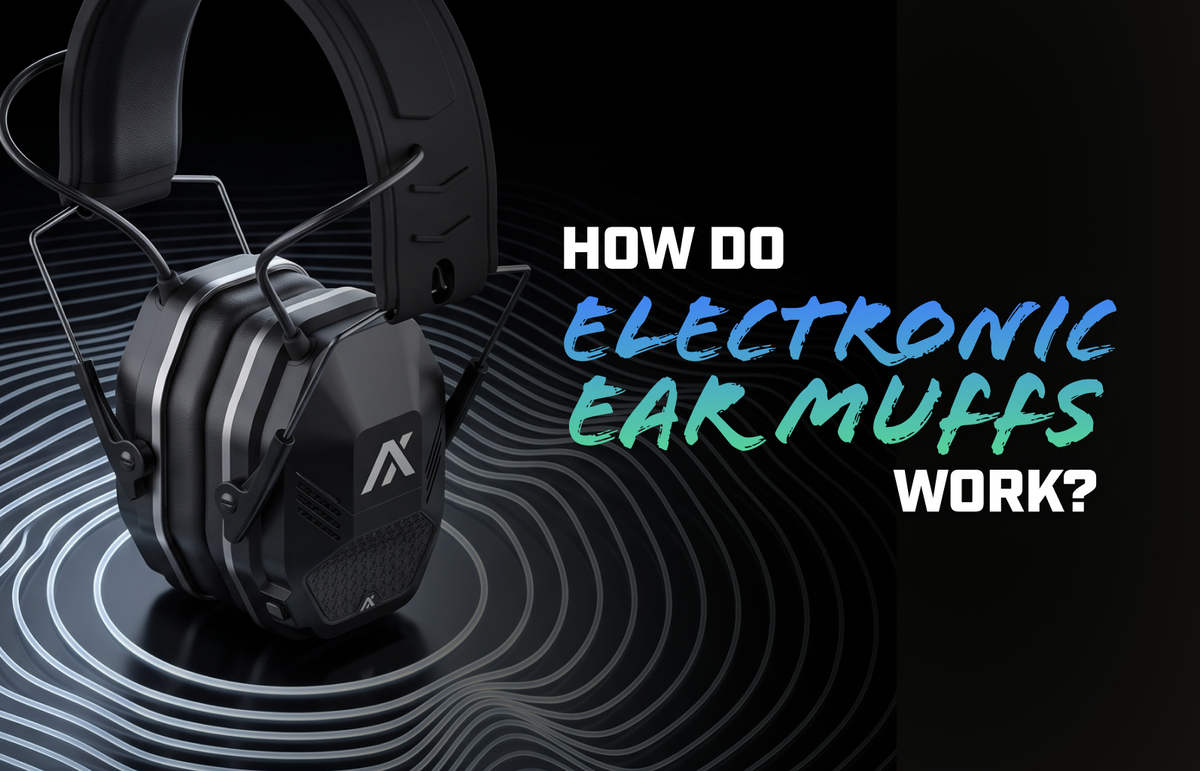
For Floor Seats and Doubling Up: MX PASSIVE Earmuffs
MX PASSIVE earmuffs carry an NRR of 25 dB. You can wear MX PASSIVE earmuffs over earplugs if you're seated close to the floor or staying for a Pit Party plus the show. Our guide to doubling up with earplugs and muffs explains how to combine the two.
Best for: Adults in floor seats who want to double up with earplugs.
The same three uses carry over to other motorsport events, where a day at the track can run even longer than a Monster Jam show.
Going to NASCAR, Drag Racing or Another Motorsport Event?
The earplugs and earmuffs you bring to Monster Jam work at NASCAR races, drag strips, and other motorsport events too. Drag racing and NASCAR can be just as loud as Monster Jam, and a race day often runs longer than a two-hour show.
Our guide to ear protection for NASCAR and motorsport events covers ratings and picks for race days, and AXIL's co-branded line is in the NASCAR hearing protection collection. Whichever event is next on your calendar, getting ready with your hearing protective gear follows the same six steps.
Monster Jam Ear Protection Prep in Six Steps
Work through these six steps before show day, and everyone's ears are covered from the first engine to the last.
- Get one hearing protector for every person coming to the show. Count the adults in your group too.
- Fit-test every pair at home before the show. A loose earmuff seal or the wrong ear tip size is easy to fix at home and hard to fix in the stands.
- Pack spare foam ear tips. Small tips for your MONSTER JAM X20 earplugs or any foam earplugs are easy to drop under the seats.
- Pack a backup pair for the Pit Party. A pair lost on the arena floor before the show would leave someone unprotected for the main event.
- Hand out ear protection before you go through the gates. Everyone can put their pair on before the first engine starts, and nobody has to dig through a bag when the trucks fire up.
- Keep ear protection on through halftime. Check the kids' earmuffs and earplugs when you return to your seats, so everyone is covered when the trucks come back out.
Monster Jam follows each arena's or stadium's rules on what you can bring inside, so check your venue's bag policy before you pack.
Common Questions About Ear Protection at Monster Jam
Does Monster Jam provide ear protection?
Monster Jam concessions sell branded novelty ear protection and disposable earplugs at each event while supplies last. Bringing your own pair is the safer plan, since stock can run out.
Can you bring your own headphones or earmuffs to Monster Jam?
Yes, Monster Jam allows fans to bring ear protection from home. Your venue's own bag rules still apply.
Do adults need ear protection at Monster Jam?
Yes, adults sit through the same noise levels as kids, so every adult in your group needs ear protection too.
How much are earplugs at Monster Jam?
Monster Jam doesn't list concession prices in its FAQ, so prices can vary by venue. Bringing your own pair means you know the price and the NRR before you arrive.
Is Monster Jam too loud for toddlers?
Monster Jam is loud enough that ear protection is essential for toddlers. Snug earmuffs sized for small heads work best, and plan a spot on the concourse where you can step out if your toddler gets upset.
Is Monster Jam louder than a concert?
Monster Jam and a loud concert can both stay in a similar high range for long stretches, so both call for ear protection. Our guide to earplugs for concerts covers the music side.
How long should you keep ear protection on at Monster Jam?
Keep ear protection on for the whole show, including halftime, and at the Pit Party whenever trucks are running.
Get Your Family's Monster Jam Ear Protection Ready Before Show Day
The decisions you make about your family’s ear protection will shape your Monster Jam experience. Order ear protection about a week ahead, so a pair that doesn't fit can still be swapped or exchanged before the trucks roll out.
A child who has already worn their earmuffs at home knows how they feel before the trucks start, and a parent with a pair already packed has no reason to skip their own hearing protection. That preparation lets your family enjoy the whole show, from the first race to the last freestyle run, with everyone's hearing protected.
When you're ready to shop, AXIL's officially licensed Monster Jam hearing protection includes MONSTER JAM X20 and X30i earplugs in five truck designs.


Share:
Best Earplugs for Motorcycle Wind Noise
Best Hearing Protection for Indoor Shooting Ranges: Earplugs, Earmuffs or Both?